
Winners
2025 winners for work published in 2024 are featured below.
Ages at time of story publication.

LOCAL REPORTING
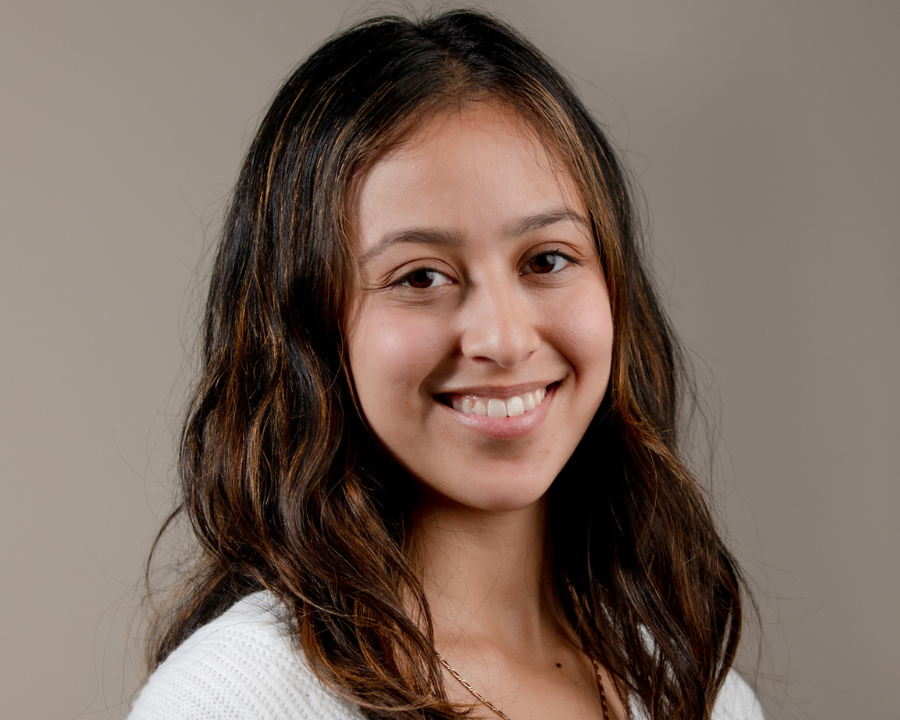
Jessika Harkay, 24, of The Connecticut Mirror for “Aleysha Ortiz,” a three-part story following Aleysha Ortiz, a 19-year-old Hartford Public High School graduate who completed her education without acquiring the ability to read or write. Despite attending Hartford public schools since age six and graduating with honors, Ortiz’s learning disabilities were inadequately addressed by the school system. Her case has sparked bipartisan concern among Connecticut lawmakers, highlighting systemic issues in special education and prompting calls for increased accountability and reform within the state’s educational institutions.
“The first few paragraphs of the article grab you. How is it possible that a young lady who graduated from high school and is now entering college was never taught how to read and write? Aleysha Ortiz’s story is fascinating not just because of the obvious failure of the Hartford public school system, but because of how this remarkable young woman is fighting for her right to learn in spite of her learning disabilities. Jessika Harkay, a 24-year-old education reporter for The Connecticut Mirror, stumbled upon Aleysha’s story and ran with it. In doing so she gave Aleysha a voice and prompted efforts to make sure this doesn’t happen again.”
— María Elena Salinas, Livingston Awards national judge


Watch The Livingston Interview with Hannah
NATIONAL REPORTING
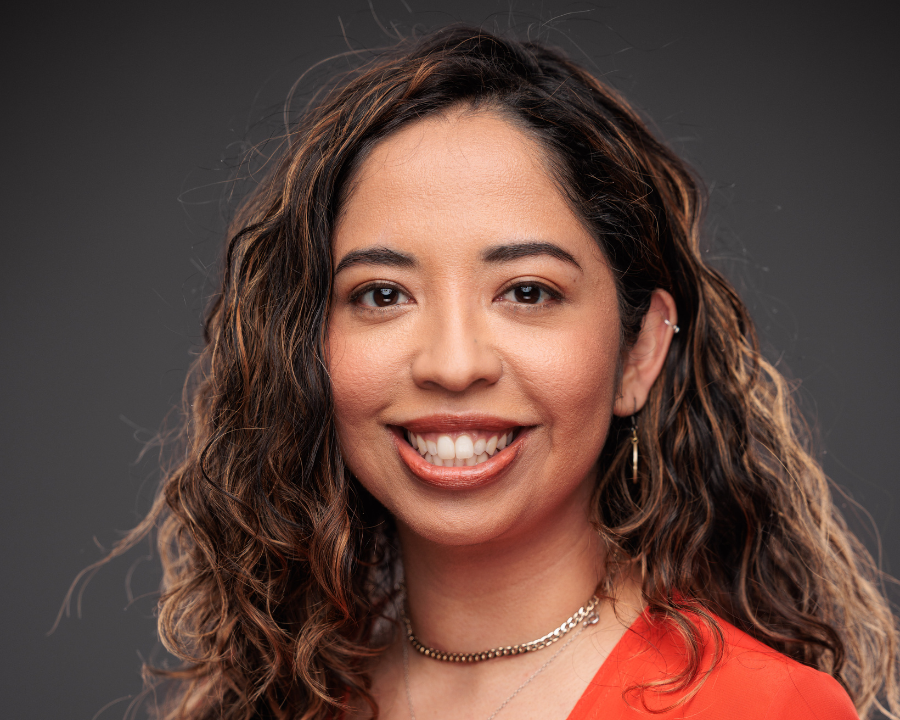
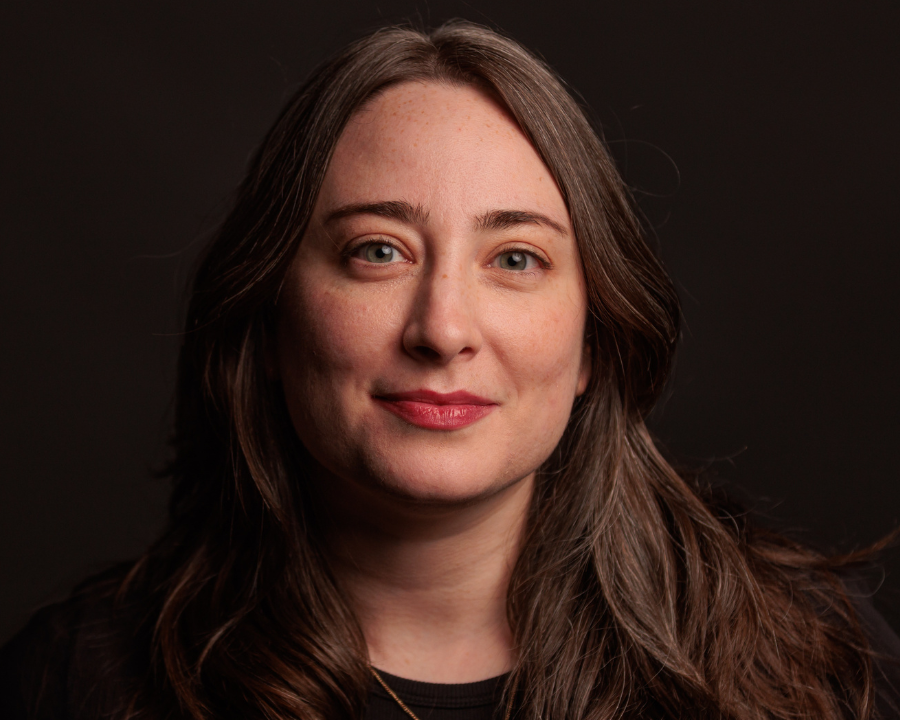
Esmy Jimenez, 30 and Sydney Brownstone, 34, The Seattle Times in partnership with KUOW Public Radio, for three episodes from Season One of the podcast “Lost Patients.” Their stories explored the visceral experience of psychosis, the anguish of families whose loved ones are being endlessly “churned” through shelters, jails and hospitals, and the discovery of little-known archives — prompting descendants to discover institutionalized relatives for the first time.
“When faced with a catastrophe that defies easy explanation, let alone solutions, the human impulse is usually to look away. But when Esmy Jimenez and Sydney Brownstone began reporting on people with
persistent psychosis, they did what great journalists have always done: look deeper, dig further and never lose sight of the human stories at the heart of America’s mental health crisis. There are few villains and no saints in their panoramic podcast ‘Lost Patients,’ which reaches back through decades — even centuries — to try to understand how as a society we abandoned the most gravely mentally ill people, and offer us an opportunity to rethink how we treat the most vulnerable among us.”
— Lydia Polgreen, Livingston Awards national judge

Listen to Esmy and Sydney’s Winning Work
Watch The Livingston Interview with Esmy and Sydney
INTERNATIONAL REPORTING
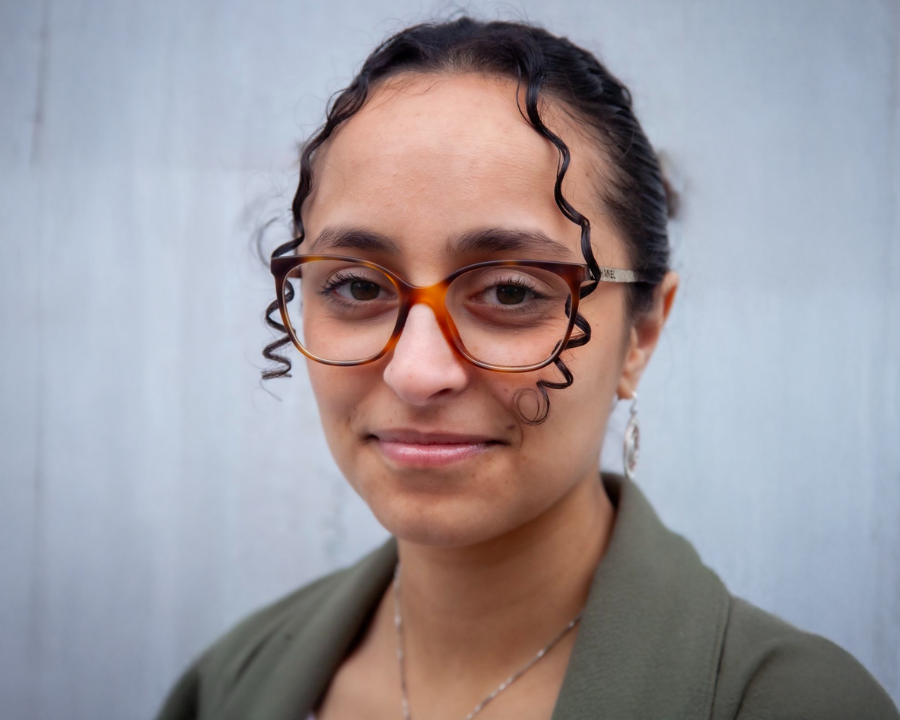
Nicole Sadek, 26, International Consortium of Investigative Journalists (ICIJ) for “The Lost Village,” an investigation into how toxic emissions from Western oil operations in Berezovka, Kazakhstan, led to a suspected wave of illness and the forced relocation of residents. In 2014, about 20 children at the village’s only school fainted and suffered seizures. Though the companies funded the relocation starting in 2015, they never accepted responsibility for the health crisis and environmental devastation.
“Nicole Sadek brought tenacity and sensitivity to the story of a decade-old tragedy – the relocation of an entire village in northwestern Kazakhstan because of serious health issues suffered by its people linked to a nearby Western-run oil and gas field. Her reporting, with its description of the difficulties the villagers of Berezovka faced in securing assistance or accountability, allowed a wider audience to understand this story and its clear warnings for the future.”
— Sally Buzbee, Livingston Awards national judge